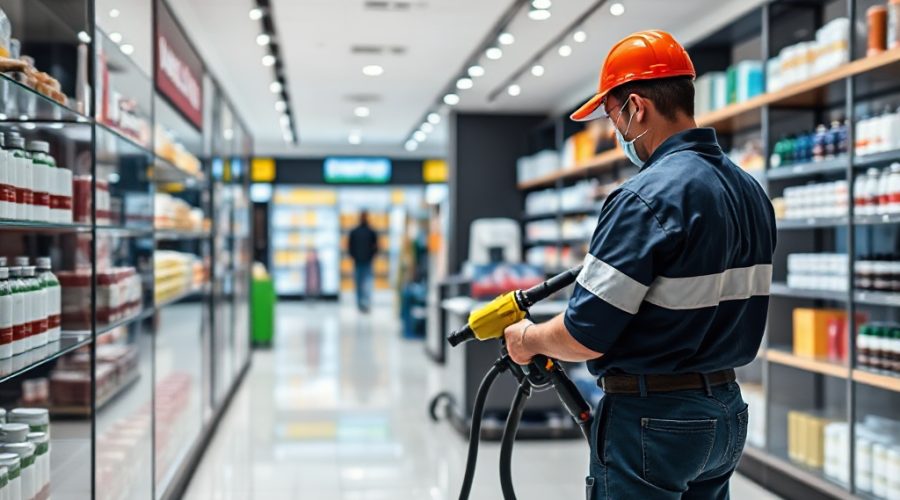
Unclogging Without Closing: A Limão Shop Owner’s Timing Guide
It’s 7 a.m. on a busy Limão avenue, and the mop sink in your bakery is backing up. The morning rush starts in forty minutes, and you can already picture the line of customers turning around at the door. This is the moment when a reliable desentupidora Brasilândia becomes more than a maintenance contact — it becomes part of your revenue protection plan.
The good news is that you do not have to choose between fixing the drain and serving your first customers. With the right scheduling strategy, a commercial unclogging service can fit into the natural gaps of your business day, especially when you work with a team that understands the rhythm of small shops and eateries.
Why Timing Matters More Than the Repair Itself
Most small business owners focus on the clog: how bad it is, how long the repair will take, how much it will cost. But the real damage comes from the downtime. A closed bakery during the morning rush can lose more in one hour than the unclogging service costs in total.
That is why the smartest approach is to plan the service around your peak hours, not against them. A professional team can often work in short, targeted windows — early morning before opening, mid-afternoon during a natural lull, or late evening after closing — so your cash register keeps moving.
For shops along Limão’s busier avenues, the stakes are even higher. Foot traffic is concentrated in predictable waves, and a single missed rush can affect your reputation for weeks. Scheduling a desentupidora Brasilândia São Paulo SP team that offers flexible arrival windows is a practical way to keep your doors open while the work gets done.
Time-Window Options That Keep Your Doors Open
Not every unclogging job requires the same window. The right slot depends on the type of blockage, the equipment needed, and how much noise or foot traffic the work will generate inside your shop. Here are the most common scheduling options for small businesses in the area.
Early Morning, Before the First Customer
This is the preferred window for bakeries, cafes, and breakfast spots. A team that arrives between 5 and 7 a.m. can often clear a kitchen drain or mop sink before the first rush. The key is to confirm the arrival time the day before and have the affected area accessible — no stacked boxes, no locked utility closet.
Mid-Afternoon Lull
For restaurants and lunch spots, the gap between 2 and 4 p.m. is often the calmest part of the day. A desentupidora em Brasilândia São Paulo SP can use this window for less urgent work, such as preventive hydrojetting or a slow-draining floor drain that has not yet become an emergency.
After Closing, Before Restocking
Retail shops and small markets often prefer evening slots. Once the last customer leaves, the team can work without disturbing sales. This window is especially useful for grease-heavy kitchen lines or shared building drains that affect neighboring units.
| Time Window | Best For | Main Advantage |
|---|---|---|
| Early morning (5–7 a.m.) | Bakeries, cafes, breakfast spots | Clears the drain before the first rush |
| Mid-afternoon (2–4 p.m.) | Restaurants, lunch counters | Fits the natural lull between meals |
| After closing (evening) | Retail, markets, shared drains | No disruption to sales floor |
A Disruption-Minimizing Checklist for Shop Owners
Even with a good time window, small oversights can turn a quick service into a half-day event. Use this checklist before the team arrives to keep the process smooth and short.
- Clear access to the affected drain, utility sink, or cleanout — move boxes, mats, and equipment out of the way.
- Confirm the arrival window by phone the day before, and again on the morning of the service.
- Inform staff about the work so no one uses the affected sink or drain during the service.
- Protect nearby surfaces with old towels or plastic sheeting if the drain is in a food-prep area.
- Keep a simple log of past clogs, dates, and what was found — this helps the technician diagnose recurring problems faster.
- Ask for a short report after the service, including any recommendation for preventive maintenance.
One more point deserves attention: recurring clogs are a warning sign. If the same drain backs up every few weeks, the problem is likely deeper in the line — grease buildup, root intrusion, or a partially collapsed pipe. In that case, a one-time unclogging is only a temporary fix, and a preventive plan will save you more money than repeated emergency calls.
What to Ask Before You Book the Service
A few direct questions before booking can prevent surprises on the day of the service. Ask whether the team carries equipment for both light blockages and heavier grease or root issues, whether they can work outside your peak hours, and whether they provide a written estimate before starting.
It is also worth asking how they handle access to shared building lines, since many small shops in Limão sit in mixed-use buildings where the drain connects to common areas. A team experienced with commercial and residential lines will know how to coordinate with the building manager and avoid unnecessary damage to floors or walls.
Finally, confirm the payment and follow-up process. A professional provider will explain what was done, show you the cleared line if possible, and leave a recommendation for keeping the drain clear. That combination of speed, transparency, and preventive advice is what separates a quick fix from a real solution for your business.
Frequently Asked Questions
Can the unclogging be done while my shop is open?
In many cases, yes — especially for isolated drains like a mop sink or a floor drain in a back room. The team can work in a contained area while the front of the shop stays open. For larger jobs involving shared lines or heavy equipment, an after-hours slot is usually safer.
How far in advance should I schedule a non-emergency service?
For preventive work, a few days of notice is usually enough to secure a preferred time window. For urgent backups, same-day or next-morning slots are often available, but flexibility on the exact hour helps.
What should I do if the drain backs up during the morning rush?
Stop using the affected sink or drain immediately, place a bucket or towel to contain the water, and call for emergency service. Avoid pouring chemical products into the line, as they can damage pipes and complicate the repair.
Is preventive maintenance worth it for a small shop?
Yes. Regular cleaning of grease-prone lines and floor drains reduces the chance of a sudden backup during peak hours. For eateries, a simple maintenance schedule is often cheaper than repeated emergency calls and lost sales.